
About the Farm
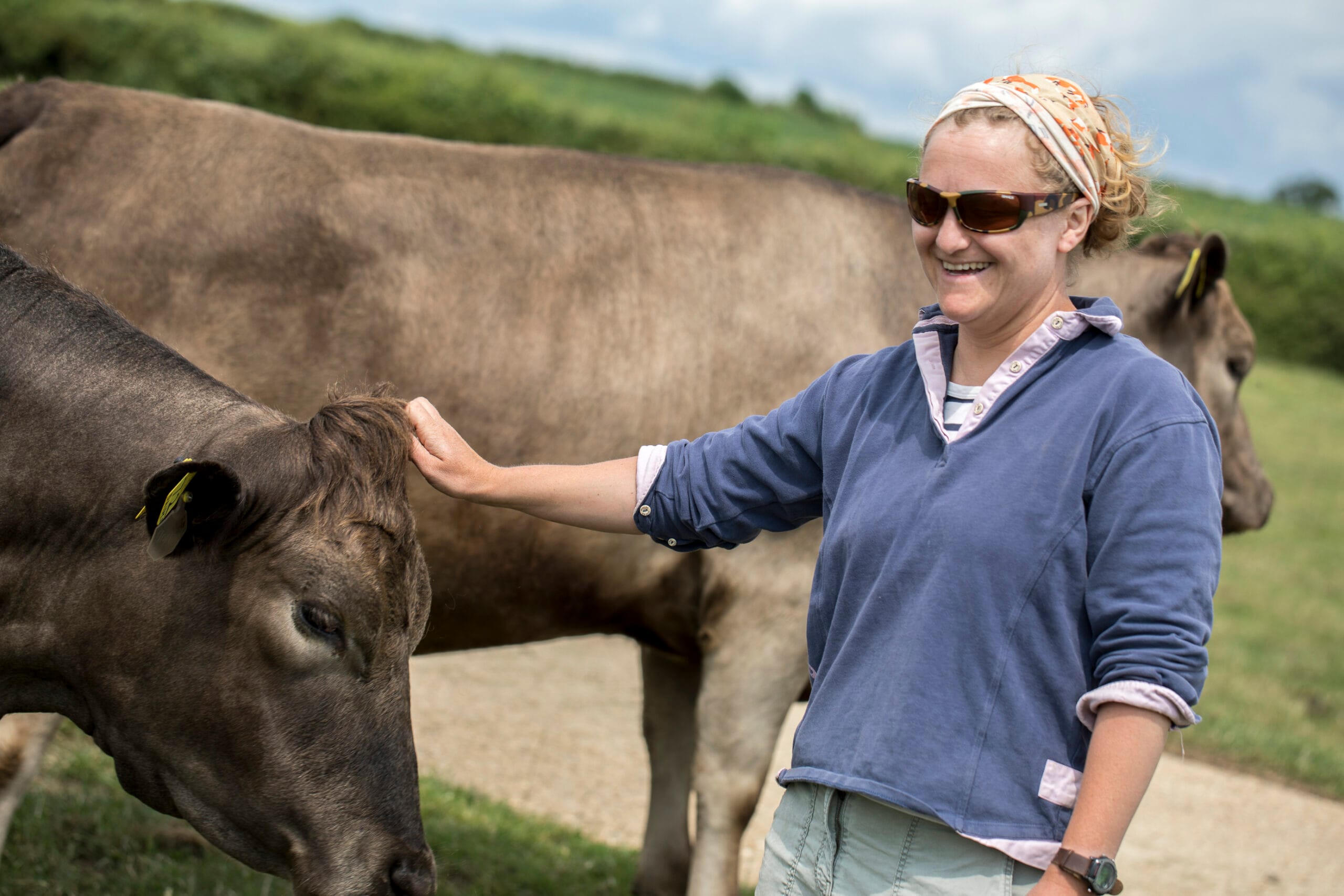
Adstockfields is a mixed family farm in North Buckinghamshire, growing cereal crops (including WildFarmed) and raising a small herd of Aberdeen Angus X Simmental cattle exclusively on pasture.
The natural diet for a cow is grazed plants including grass and the herbs and legumes found in diverse pastures. However, today most commercial livestock farms use grains and other concentrated feed (such as soya) to boost production. These practices add cost in terms of the quality of the produce and the environmental impact and risk associated with animal health and welfare. Pasture for Life, which we subscribe to at Adstockfields, is a method of farming where the raising of cattle is based solely upon local, diverse and natural pasture, with minimal input, leading to environmental benefits, cattle health benefits and human health (and taste!) benefits.
The Pasture for Life Certification Mark provides a trusted means of clearly identifying this produce and its integrity at the point of sale.
Environmental benefits
Legumes such as clover enhance production and provide protein in livestock diets – clovers and other legume crops such as vetches and trefoil, together with herbs such as burnet, also provide important sources of feed for insects and other animals, whilst also avoiding the use of synthetic fertilisers.
Grazing animals return nutrients and organic matter back to the ground as they pass by and deposit their dung. This natural process ensures the soil remains healthy and fertile, again without using synthetic fertilisers.
The carbon footprint of pasture farms has been found to be lower than that of farms where cereal crops are grown to feed the animals. Pasture plays an important role in carbon capture and storage through both photosynthesis and by building organic matter throughout the soil profile.
Pasture For Life rules specifically prohibit the use of soya, which is often associated with deforestation and the resulting environmental damage.
Health benefits
The following are amongst the benefits that have been identified by independent, peer reviewed and published research papers as being associated with produce derived from livestock raised solely upon a pasture-based diet:
- Higher in total omega-3 fatty acids (good fats)
- A healthier ratio of omega-6 to omega-3 fatty acids
- Higher in conjugated linoleic acid (CLA), a potential cancer fighter
- Higher in vaccenic acid (which can be turned into CLA)
- Higher in vitamin E
- Higher in B vitamins
- Higher in beta-carotene
Because the use of pasture requires a lower stocking density, and the ability to graze freely is a natural part of cattle life, Pasture For Life cattle often experience less stress and associated health problems than their counterparts raised within more intensive production systems.
See the Pasture for Life website for more information.